Silk Museum: Saturday's Visit to «Di piega in piega» With Curator Chiara Ghizzoni
The FAI Delegation of Como leads visitors inside the exhibition on the textile gesture: two turns, at 11 am and 3.30 pm, booking required. Translated from Italian.
Translated from the Italian original. Leggi in italiano
On Saturday 21 November, Como's Museo Didattico della Seta (Silk Museum), in Via Castelnuovo 9, opens its temporary exhibition to a special visit. The FAI Delegation of Como offers two guided tours of «Di piega in piega» (Fold by fold), subtitled «the textile gesture between technique, fashion and contemporary art», led by the exhibition's curator, Chiara Ghizzoni. The turns are at 11 am and 3.30 pm and last about an hour; booking is mandatory on the FAI booking site, with a suggested contribution starting from 7 euros for FAI members and 10 euros for non-members. After the guided tour, participants can continue independently through the museum's rooms, from the silkworm to weaving techniques and garment making.
The fold, from manufacturing processes to the great couturiers
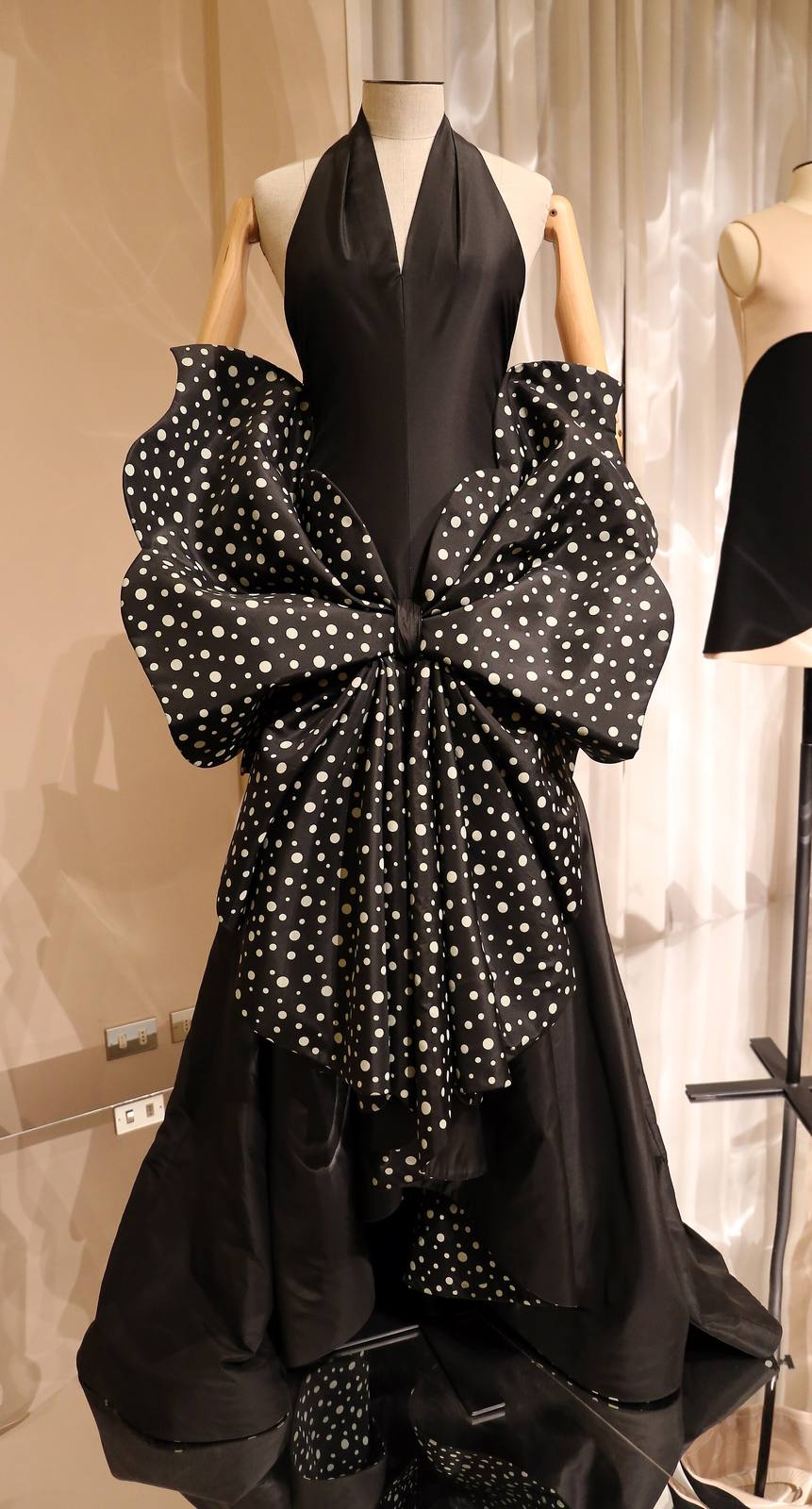
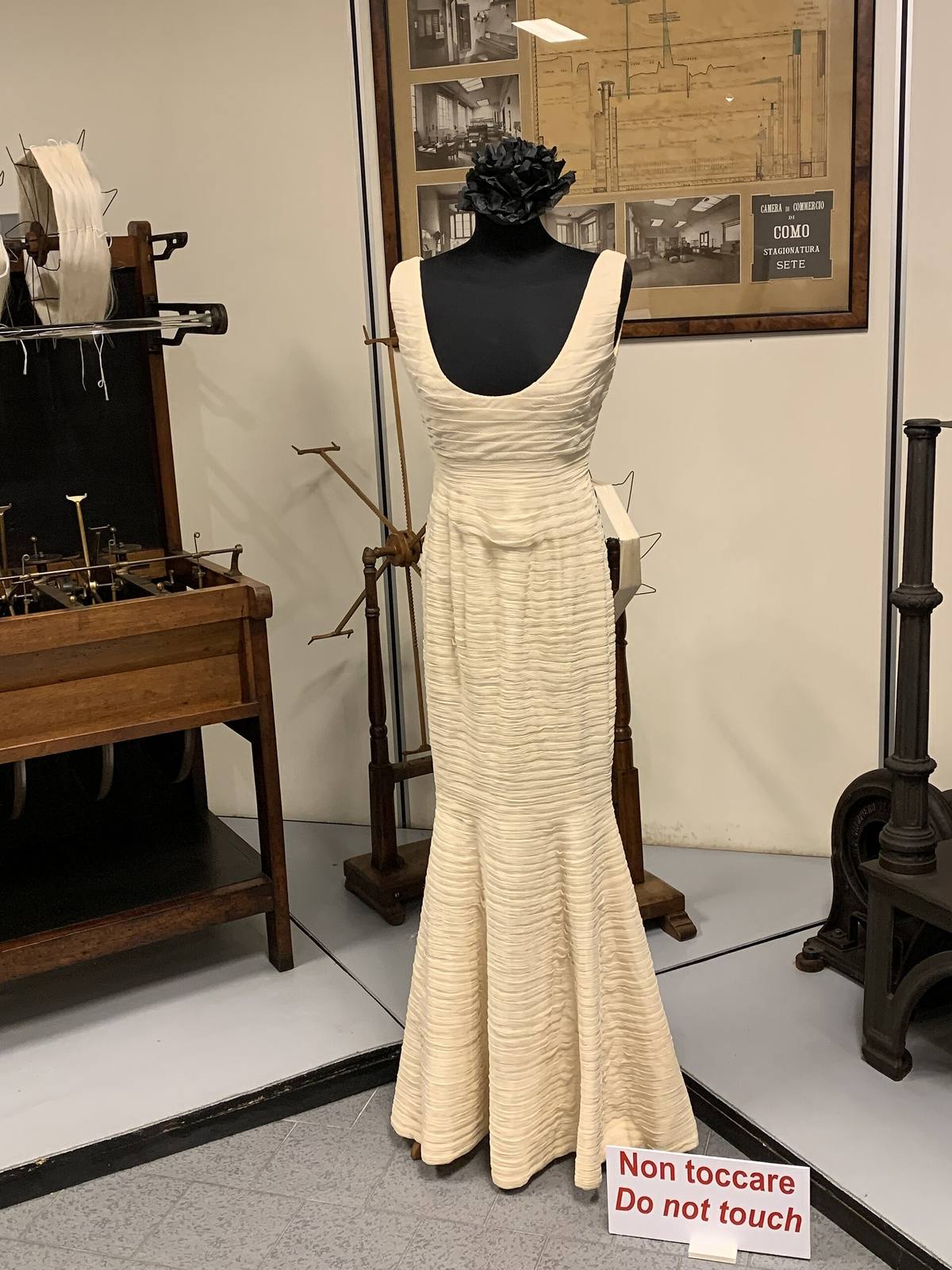
The exhibition, open from 3 October 2026 to 10 January 2027 and promoted by the Silk Museum with the Fondazione della Seta ETS, follows the theme of the fold from its most concrete side, that of manufacturing processes, to its more artistic and spiritual dimension. A selection of materials from the museum's archives conveys the complexity of those processes, also thanks to audiovisual contributions made with Omniapiega, which document how folding techniques were born and developed in textile work.
Alongside the six dresses by Roberto Capucci from the Roberta Noseda Droulers Collection, recently entered into the museum's collections, are loans signed by Pierre Cardin and Romeo Gigli from the Loiacono Archive and pieces from the Tittaporta Archive, which the museum holds. Capucci's dresses also star in a video performance created for the occasion, which observes them in movement between body and fabric. The fold is finally the signature of Umberto Mariani's research, present in the exhibition with works that have investigated drapery for over thirty years.
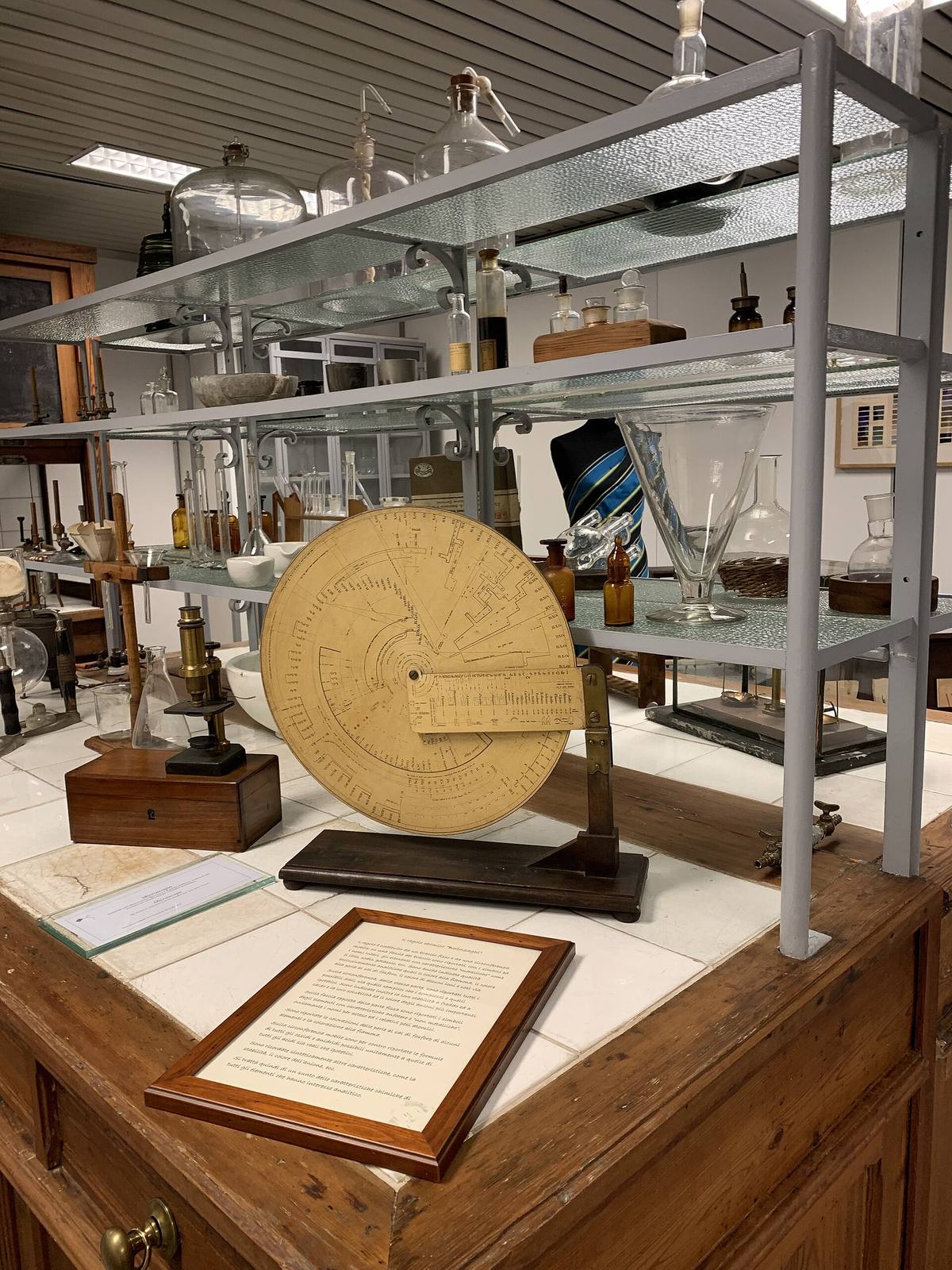
The museum of Como's production chain
In its rooms the museum preserves what remains of Como's silk production world: machinery, sample books, documents, books and work tools from the factories that gave Como the name of silk city. Its route reconstructs the whole production process, from the silkworm to yarns, weaving, dyeing and printing. For those joining Saturday's visit, the appointment is a chance to read the exhibition through the eyes of the person who built it, and at the same time to retrace the production chain that shaped the city's industrial history.